Research Update
What drip irrigation and plastic mulch taught in vegetable production — and water use
My undergraduate thesis tested how drip irrigation and plastic mulch change tomato growth, yield and water-use efficiency. The headline: 20% better water conservation with no yield penalty.
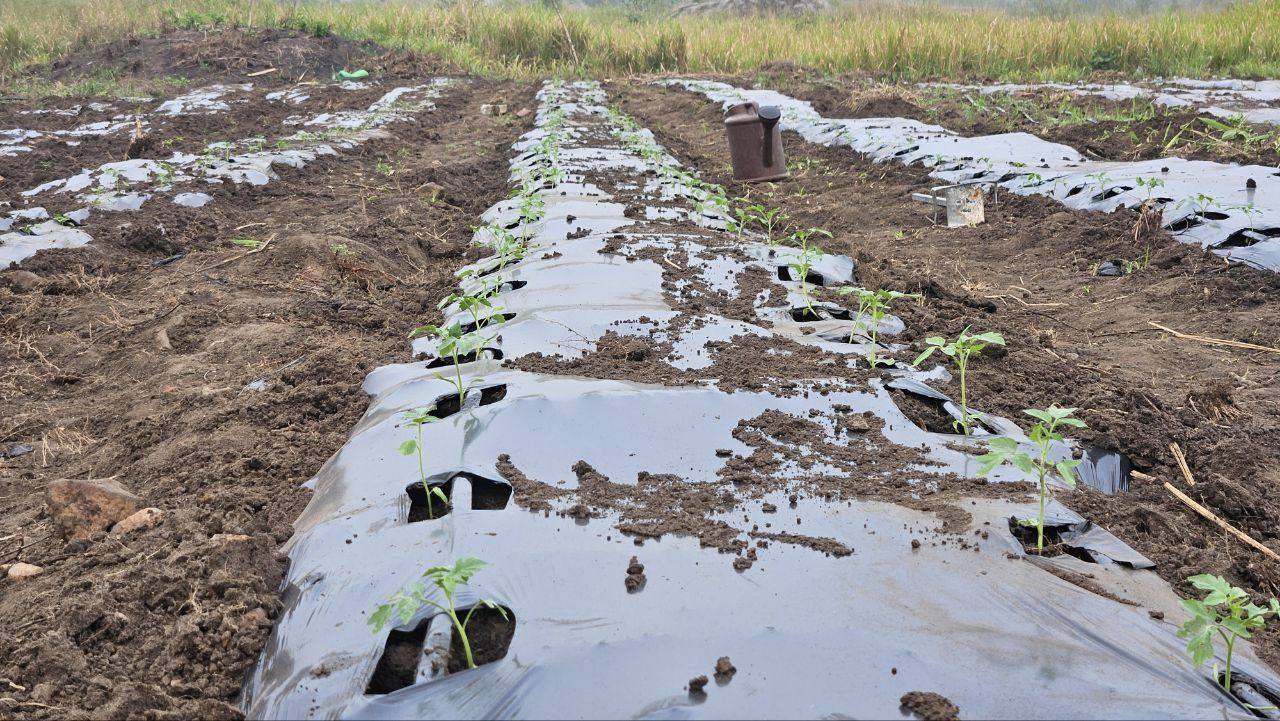
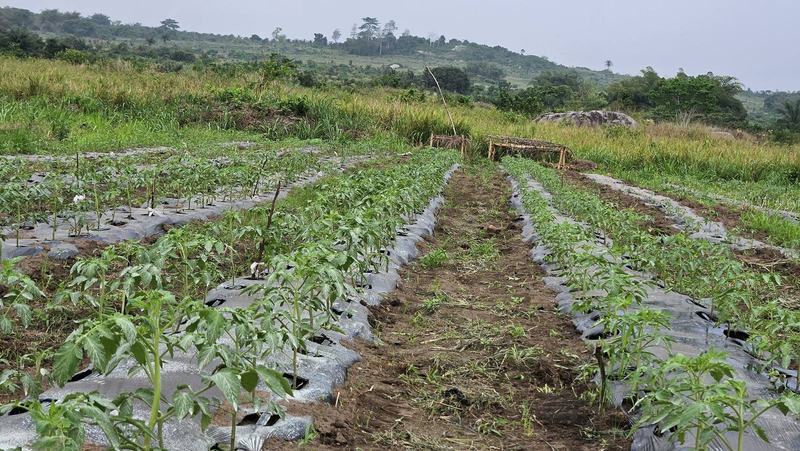
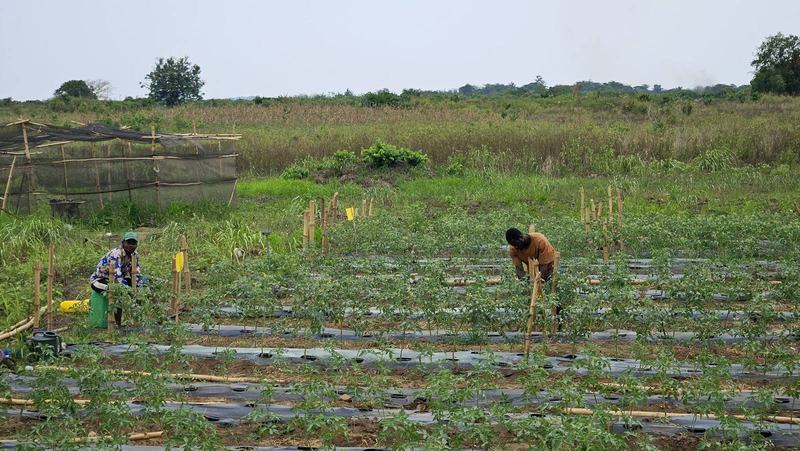
Water is the input Ghanaian vegetable farmers worry about most, and it is the one we measure least. For my undergraduate thesis at the University of Cape Coast I set out to put numbers on a simple question: what happens to tomato growth, yield and water-use efficiency when you combine drip irrigation with plastic mulch?
The set-up
The trial compared drip-irrigated plots with and without plastic mulch, tracking plant growth, fruit yield and the water applied across the season. Alongside it, a varietal study compared Cobra 34 and Mona F1 under the same systems.
What we found
- Drip irrigation with plastic mulch improved water-conservation efficiency by around 20% — without any loss of yield.
- Varietal responses differed, and choosing the right variety for the system improved yield consistency by about 15%.
Why it matters
For smallholders, saving a fifth of their irrigation water without giving up yield can decide whether a dry-season crop is possible at all. The same thinking shaped the precision-irrigation work at Elibeth Farms, and it is the starting point for my MSc research at CIHEAM Bari, where I will be using UAVs, thermal imagery and machine learning to schedule irrigation even more precisely.